250 Years of Sea Power
On October 13, 1775, the Continental Congress authorized the purchase and outfitting of two armed vessels to intercept British supply ships. That act marked the formal beginning of the United States Navy.
Two hundred and fifty years later, the Navy stands as one of the most advanced maritime forces in the world. Its mission has evolved, but its purpose remains constant, to protect freedom of navigation, project power where needed, and safeguard the interests of the United States and its allies across every ocean.
This isn’t just a birthday. It’s a milestone in the legacy of American defense.
From Frigates to Supercarriers
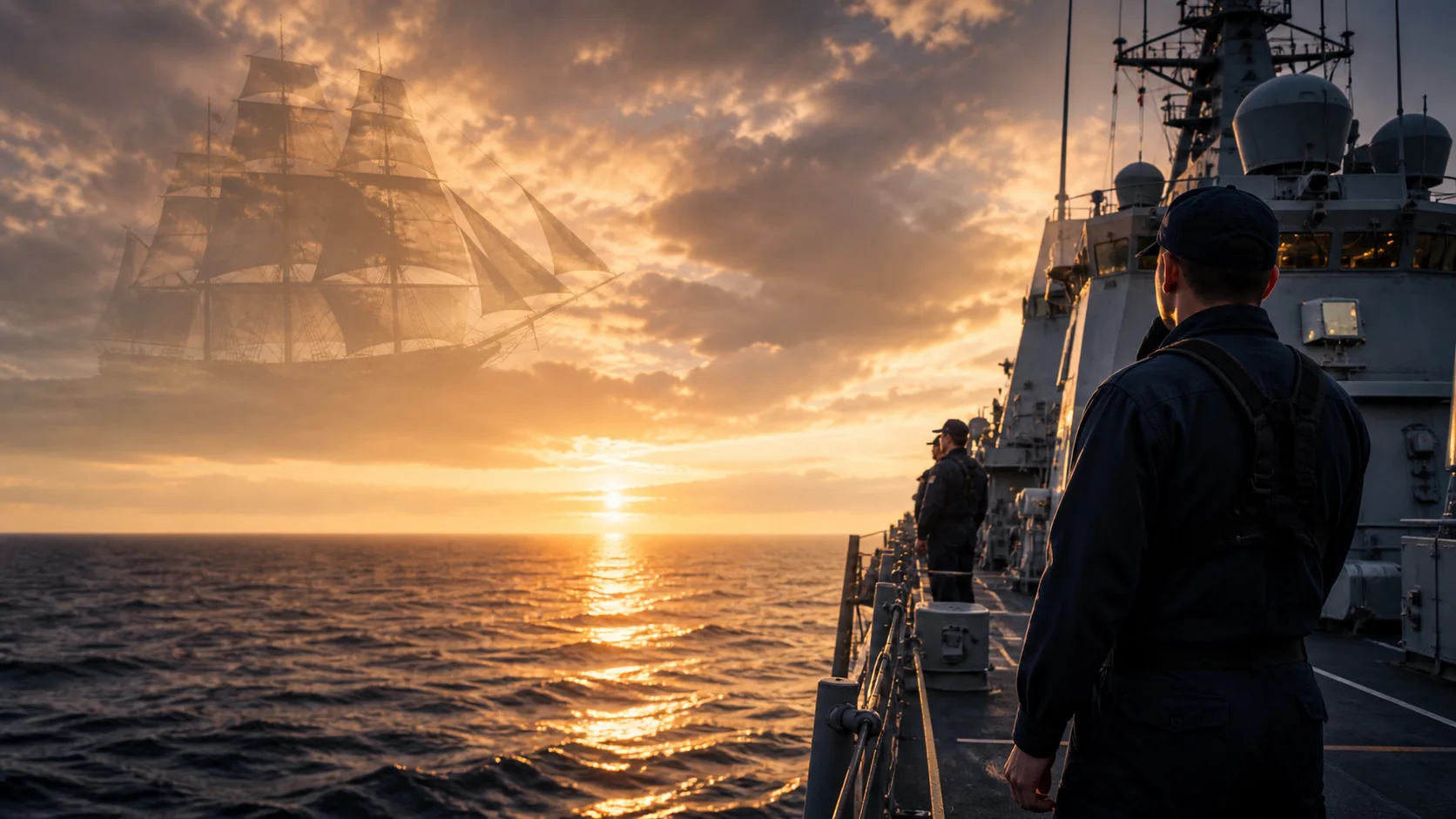
The first ships of the U.S. Navy were modest, lightly armed, wooden-hulled vessels operated by sailors with more grit than resources. But they were bold, and they were fast. They punched above their weight against the British Royal Navy, and they helped lay the foundation for America’s maritime tradition.
Fast-forward two and a half centuries. Today’s Navy operates:
-
11 nuclear-powered aircraft carriers
-
Over 290 deployable battle-force ships
-
50+ attack and ballistic missile submarines
-
A fleet of unmanned systems, space-based assets, and cyber capabilities
From the high seas to high orbit, the Navy has become a multidomain force. It isn’t just about ships anymore. It’s about integrated operations across air, sea, undersea, cyber, and space.
Why the Navy Still Matters
In an era of contested trade routes, strategic chokepoints, and near-peer adversaries, sea power remains central to national security.
The Navy provides:
-
Forward deterrence in the Indo-Pacific, Persian Gulf, and beyond
-
Rapid strike capabilities from carrier air wings and submarine-… [truncated for model]