Introduction: The Rise of Deepfakes in the Geopolitical Landscape
The Threat of Deepfakes on National Security
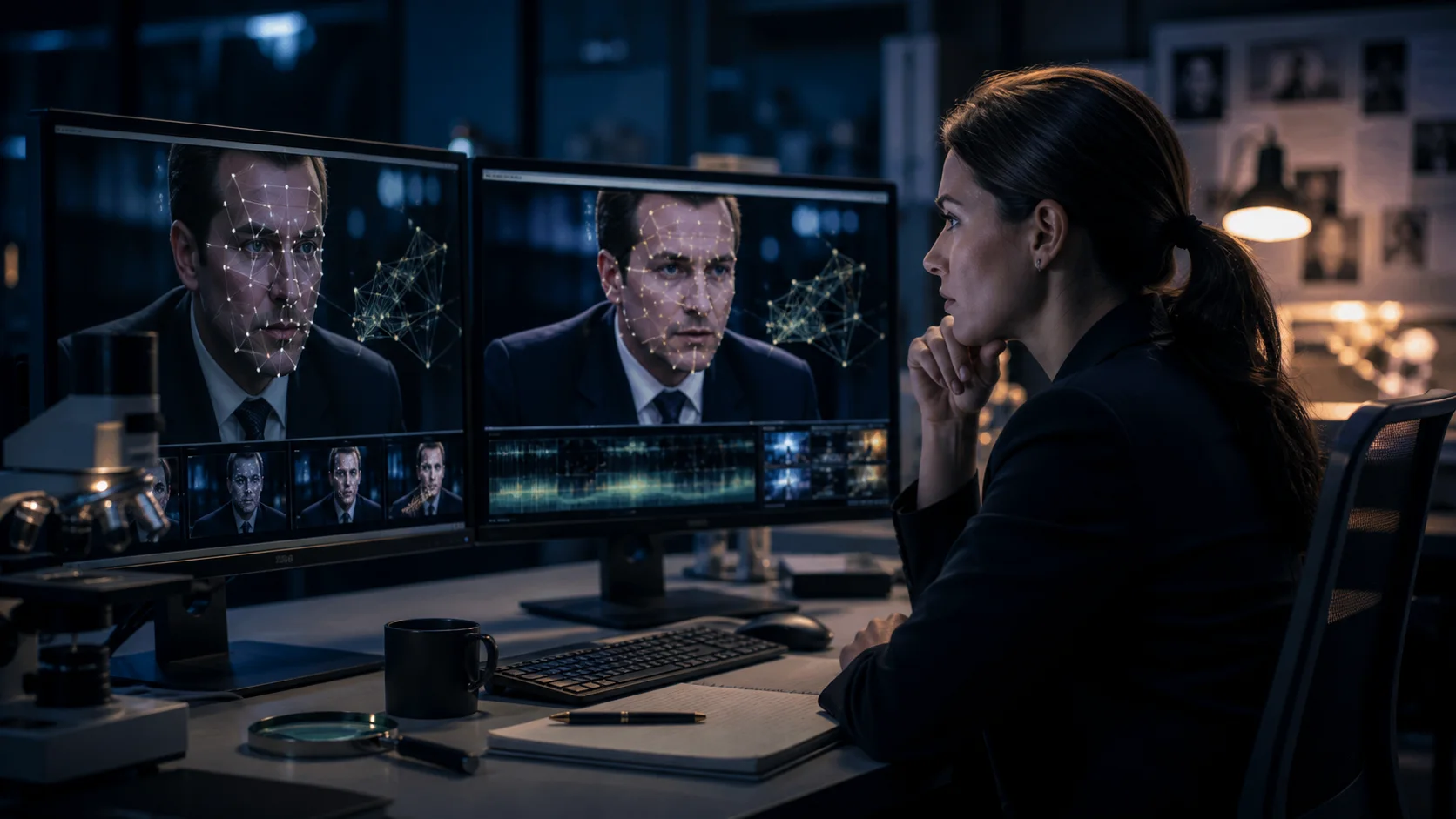
Deepfakes pose a grave threat to national security by creating false narratives that can undermine trust in institutions and escalate tensions between nations. The very essence of what is real and what is fabricated becomes blurred, making it difficult for intelligence agencies to discern truth from deception. These manipulated videos and audio recordings can be used to impersonate key officials, falsify events, and spread disinformation, all of which have severe implications for international relations and domestic affairs. As deepfakes become more sophisticated, the risk of them being used as tools by adversaries to create confusion, sow discord, or influence public opinion increases. It's in this context that countermeasures like MirrorShield are essential, providing a means to detect and neutralize these threats before they can cause irreparable harm.
The Critical Need for Countermeasures
The rise of deepfakes necessitates robust countermeasures to protect national security. With deep fakes becoming increasingly difficult to identify, the need for advanced detection systems like MirrorShield has never been more pressing. These countermeasures are not only crucial for identifying and mitigating the effects of deepfakes on the public trust but also for maintaining the security of communications within and between government agencies. In the absence of such tools, the potential for misuse of deepfake technology by malicious actors could lead to significant geopolitical consequences, including misinformation campaigns that could influence elections, incite public unrest, or even provoke international conflicts. The development and implementation of countermeasures are therefore a top priority for national defense, ensuring that the integrity of both public discourse and international diplomacy is preserved.